
The Short Answer
Yes, a tooth may need root-canal evaluation—and sometimes treatment—even when it does not currently hurt. Pain is useful information, but the absence of pain does not by itself prove that the tissue inside a tooth is healthy.
A recommendation should not be based on one symptom, one X-ray, or one test in isolation. The dentist considers your history, the tooth’s condition, examination findings, imaging, and tests that assess how the tooth responds. Those findings help determine whether the pulp—the soft tissue inside the tooth—is healthy, inflamed, no longer responsive, or uncertain.
Why a Tooth Problem May Not Hurt
Dental problems do not always produce steady pain. Symptoms can be mild, intermittent, or absent. A tooth may also have hurt previously and then become quiet. That change does not automatically mean the tooth healed, just as a painless tooth does not automatically mean root-canal treatment is necessary.
The American Association of Endodontists’ diagnostic guidance describes both pulpal and tissues-around-the-root conditions that may have no current symptoms. It also emphasizes that endodontic diseases can change over time, so signs and symptoms vary with the stage of the condition and the individual patient.
Deep decay, a large or failing restoration, prior trauma, or changes around the end of a root may prompt closer evaluation even if you feel comfortable. None of these facts alone establishes the diagnosis.
Why Symptoms Alone Cannot Decide Treatment
Pain can come from several sources, and different conditions can feel similar. Conversely, inflammation or infection may be discovered before a patient notices discomfort. This is why an online symptom list cannot tell you whether you need a root canal.
A dentist begins with questions such as whether the tooth ever hurt, whether it was injured, and whether sensitivity has changed. The examination may also compare the tooth with nearby teeth. The goal is not simply to find pain; it is to understand how the tooth and surrounding tissues are behaving together.
What the Dentist May Evaluate
An endodontic evaluation can include several pieces of information:
- Dental history: previous pain, trauma, decay, fillings, crowns, or other treatment
- Visual and periodontal examination: decay, restoration condition, gum findings, mobility, swelling, or a draining area
- Temperature or electric pulp testing: how the tooth responds compared with control teeth
- Biting, percussion, or palpation tests: whether pressure affects the tooth or tissues around its root
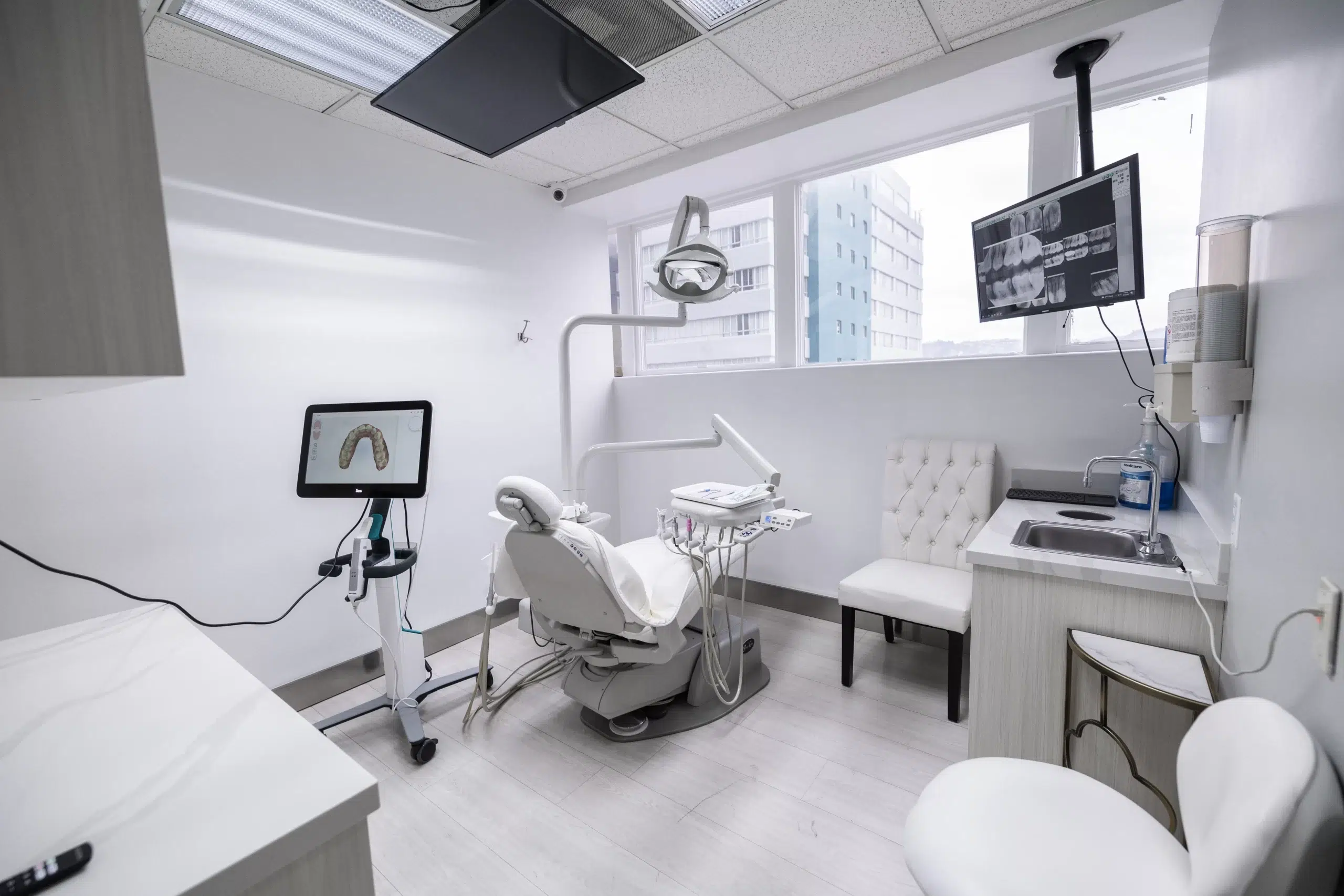
- Dental X-rays: the tooth, root, bone, decay, restorations, and changes that may require explanation
The AAE explains that a complete diagnosis combines the clinical and radiographic examination with periodontal and pulp-related testing. A response that seems abnormal may need confirmation or referral, particularly when the results do not agree.
What X-Rays and Pulp Tests Can—and Cannot—Show
X-rays can reveal details that are not visible during a regular examination, including changes around a root or decay beneath a restoration. They do not directly show whether every nerve and blood vessel inside the pulp is healthy. Likewise, a temperature or electric test measures a response; it is not a complete diagnosis by itself.
Results can be influenced by factors such as recent trauma, calcification, restorations, or how an individual tooth responds. Dentists therefore compare findings and may repeat a test, monitor the tooth, or refer to an endodontist when the diagnosis is uncertain.
Questions to Ask About the Recommendation
If you have no pain and were told that a root canal may be needed, it is reasonable to ask:
- What specific diagnosis are you considering?
- Which examination, X-ray, or test findings support that diagnosis?
- Did the tooth respond differently from nearby control teeth?
- Are the findings clear, or would monitoring, repeat testing, or an endodontic opinion help?
- What are the reasonable treatment alternatives, and what are the risks of waiting?
- What changes should prompt me to call sooner?
These questions do not challenge the need for care; they help you understand how the recommendation was reached. Informed consent should include the diagnosis, reasonable options, expected benefits, important risks, and what may happen without treatment.
When to Seek Prompt Care
Contact a dentist promptly if you develop facial or gum swelling, fever, drainage, severe or worsening pain, pain when biting, or a tooth injury. Difficulty breathing or swallowing, rapidly spreading swelling, or other signs of a serious medical emergency require urgent medical attention.
If symptoms are urgent and BLVD is your dental home, review our Emergency Dentistry information. Otherwise, contact your treating dentist or an appropriate urgent-care service.
Frequently Asked Questions
Can an infected tooth have no pain?
Yes, some pulpal or tissues-around-the-root conditions can be asymptomatic. Only an examination and appropriate testing can determine what the findings mean for a specific tooth.
If the pain stopped, did the tooth heal?
Not necessarily. Symptoms may change for several reasons. A tooth that previously hurt should be evaluated in context rather than assumed healthy because it became quiet.
Can an X-ray prove that I need a root canal?
An X-ray can provide important evidence, but it is interpreted with the history, examination, and clinical tests. A single image should not be treated as the entire diagnosis.
Should I get a second opinion?
If the diagnosis is uncertain or you do not understand the recommendation, you can ask for clarification or an endodontic consultation. Do not delay urgent care when swelling, fever, trauma, or worsening symptoms are present.
The main point is simple: pain is not a reliable yes-or-no test for pulp health. A painless tooth may need treatment, monitoring, another test, or no root-canal treatment at all depending on the complete findings.
If a dentist has recommended a root canal and you want to understand why, learn more about root canal therapy at BLVD Dental Aesthetics or request an in-person evaluation. BLVD can examine the tooth, review the findings with you, and explain the available next steps without assuming treatment need from symptoms alone.