
Waking up with a sore, tight, or tired jaw can be unsettling. Clenching or grinding during sleep may contribute, but morning jaw pain has several possible causes. It does not automatically mean you have a temporomandibular disorder, often called TMD or “TMJ.”
The timing and pattern of your symptoms can provide useful clues, but they cannot identify the cause by themselves. A dental evaluation helps distinguish muscle soreness and jaw-joint concerns from tooth problems and conditions that may need medical assessment.
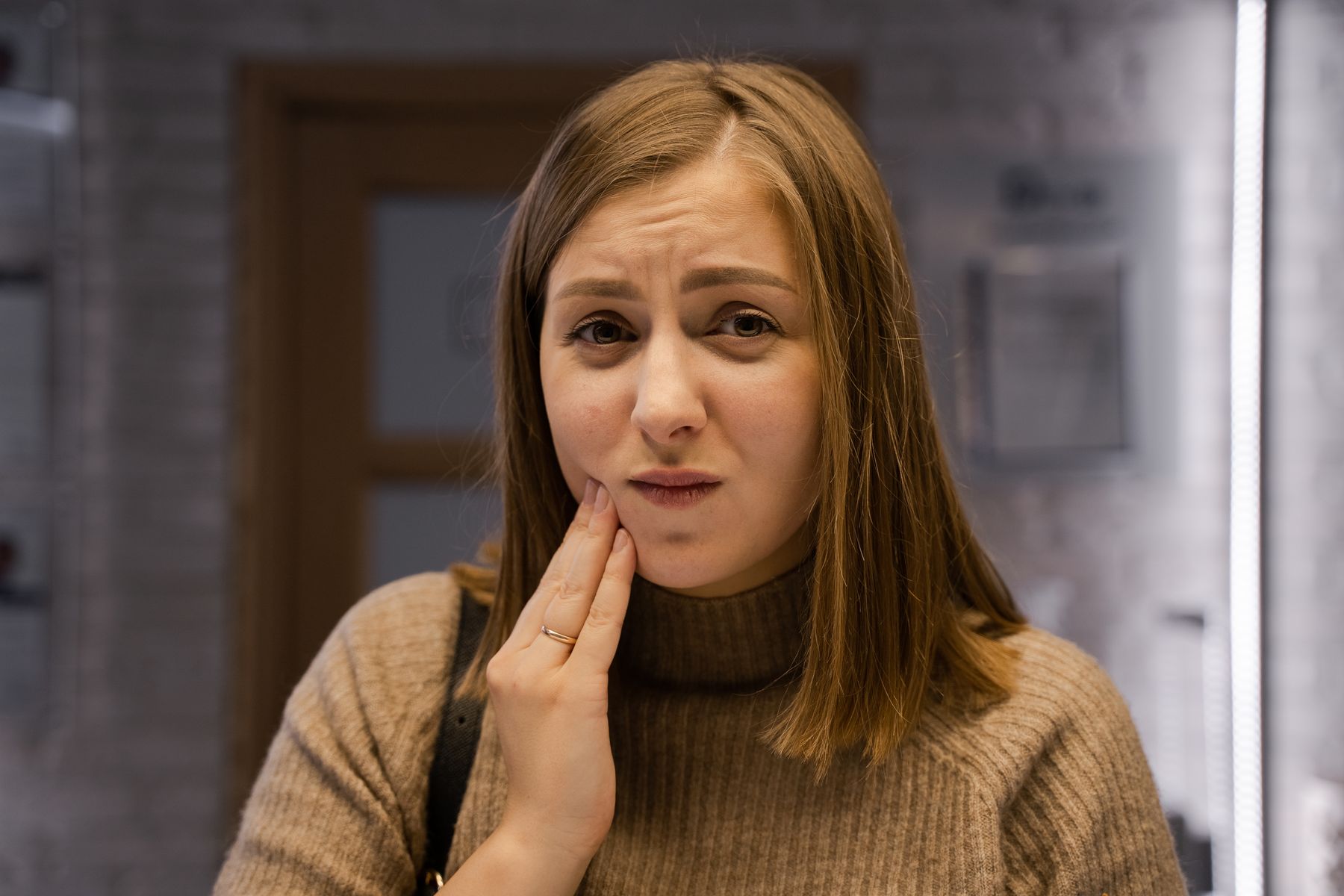
Why Jaw Pain May Feel Worse in the Morning
The muscles used for chewing may feel fatigued after repeated tightening overnight. An irritated jaw joint may also feel stiff after hours in one position. Some people are unaware of sleep-related jaw activity, and clenching can be silent even when grinding is not.
Morning discomfort is more useful as part of a pattern than as a diagnosis. Notice whether it improves soon after waking, lasts throughout the day, affects one or both sides, or becomes worse with chewing, yawning, or speaking.
How Clenching and Grinding May Contribute
Clenching means holding the teeth firmly together. Grinding involves moving them against each other. Both are forms of bruxism and can occur while awake or asleep.
Possible signs of overnight clenching or grinding include:
- Jaw or temple tenderness after waking
- Morning headaches
- Teeth that feel sore when biting
- New sensitivity
- Flattened, chipped, or worn tooth surfaces
- Cracks or damage involving teeth, fillings, or other restorations
These findings still require interpretation. Tooth wear may have developed years earlier, and morning soreness can occur without sleep bruxism. A dentist considers the symptoms, oral findings, health history, and sleep history together before recommending treatment.
Other Possibilities
Similar symptoms can have different causes, and more than one factor may be involved.
Jaw-joint or muscle disorders
TMD is an umbrella term for conditions affecting the jaw joints, chewing muscles, or both. Symptoms can include pain near the ear, muscle tenderness, limited opening, catching, or locking. Clicking without pain or limited movement is common and does not necessarily require treatment.
Tooth or gum problems
A cracked tooth, inflamed dental nerve, infection, or dental abscess may produce pain that feels as though it comes from the jaw or ear. Temperature sensitivity, swelling, a bad taste, or pain focused around one tooth can help distinguish a dental source. BLVD’s guide to tooth and jaw pain explains why these symptoms deserve a focused examination.
Stress and daytime habits
Stress does not explain every jaw problem, but some people tighten their jaw while concentrating, driving, or working. Daytime muscle tension may combine with nighttime activity and leave the jaw feeling overworked.
Sleep, joint, or medical concerns
Snoring, disrupted sleep, arthritis, previous injury, ear conditions, headaches, nerve pain, and other health concerns can overlap with dental or TMD symptoms. A dentist may recommend evaluation by a physician or another clinician when the pattern does not appear primarily dental.
Signs Worth Noting
You do not need to diagnose yourself. A few observations can make the appointment more useful:
- Which side hurts and how long the discomfort lasts
- Whether chewing, yawning, or speaking changes it
- Clicking, catching, locking, or limited opening
- Morning headaches or temple tenderness
- Tooth sensitivity or pain when biting
- Recent dental treatment or injury
- Snoring, poor sleep, or frequent waking
- Whether symptoms are improving, stable, or worsening
Brief notes over several days can help show a pattern. They are not a substitute for an examination.
What a Dental Evaluation Checks
At BLVD Dental Aesthetics, the evaluation begins with the history of the symptoms: when they started, when they are most noticeable, and whether there has been an injury, dental change, or sleep concern.
Dr. Daniel Adelpour may evaluate jaw movement, joint and muscle tenderness, the teeth and gums, tooth wear, damaged restorations, bite tenderness, and possible signs of infection. Imaging is useful in selected situations but is not required for every patient. Referral may be appropriate when the findings suggest a medical, sleep-related, surgical, or multidisciplinary concern.
This diagnosis-first approach matters because a nightguard, physical therapy, dental treatment, or another form of care addresses different problems. TMD treatment depends on the diagnosis, and no single treatment is appropriate for every source of morning jaw pain. Learn more about BLVD’s approach to TMJ and TMD treatment in Los Angeles.
What to Do Next
If symptoms are mild and there are no urgent warning signs, reduce unnecessary strain until your appointment. Choose foods that require less force to chew, avoid gum, and avoid repeatedly testing a click or forcing the jaw to stretch. During the day, notice whether you are holding your teeth together while concentrating.
Do not start an oral appliance or medication solely because of online information. An appliance may protect teeth in selected cases, but it will not treat an infection, cracked tooth, sleep-related breathing disorder, or every muscle and joint condition.
When to Seek Prompt Care
Arrange an evaluation when the pain recurs, worsens, lasts into the day, affects normal function, follows an injury, or occurs with tooth sensitivity, limited opening, catching, or locking.
Seek prompt dental or medical attention for facial swelling, fever, drainage or a bad taste, severe tooth pain, significant trauma, difficulty swallowing or breathing, or an inability to open or close the mouth normally.
Call emergency services for jaw discomfort accompanied by chest pain, shortness of breath, sweating, nausea, dizziness, or pain spreading to the arm, shoulder, neck, or back. Jaw discomfort can occasionally be part of a medical emergency rather than a dental condition.
FAQs
Is morning jaw pain always TMJ?
No. It may involve a jaw joint or chewing muscle, but tooth problems, injuries, sleep-related concerns, arthritis, and other medical conditions can produce similar symptoms.
Can grinding my teeth cause morning jaw pain?
Clenching or grinding may fatigue the chewing muscles and stress the teeth and jaw joints. However, morning pain or visible tooth wear alone does not confirm sleep bruxism.
Do I automatically need a nightguard?
No. An oral appliance may be appropriate for selected patients, but its purpose and design should follow an evaluation. It is not a universal treatment for jaw pain or TMD.
When should I see a dentist?
Schedule an evaluation if symptoms keep returning, persist beyond the morning, interfere with chewing or opening, or occur with tooth pain or visible damage. Urgent warning signs require prompt dental or medical care.
Get a Clearer Answer About Your Symptoms
Morning jaw pain is a symptom, not a diagnosis. A focused examination is the safest way to determine whether the concern appears dental, muscular, joint-related, sleep-related, or in need of another type of evaluation.
If your symptoms are recurring or affecting your daily comfort, schedule an evaluation with BLVD Dental Aesthetics in Los Angeles.